
By: Kebora Weir, Technical Analyst
What does a Spy team have in common with an Agile team? More than you think. Just like spies, Agile teams rely on strategy, communication, and collaboration to succeed.
In the game Codenames, the Spymaster gives one-word clues to guide their team toward the right words on the board, while avoiding words that belong to the other team or the dreaded assassin card. Now how does this relate to being on an Agile team?
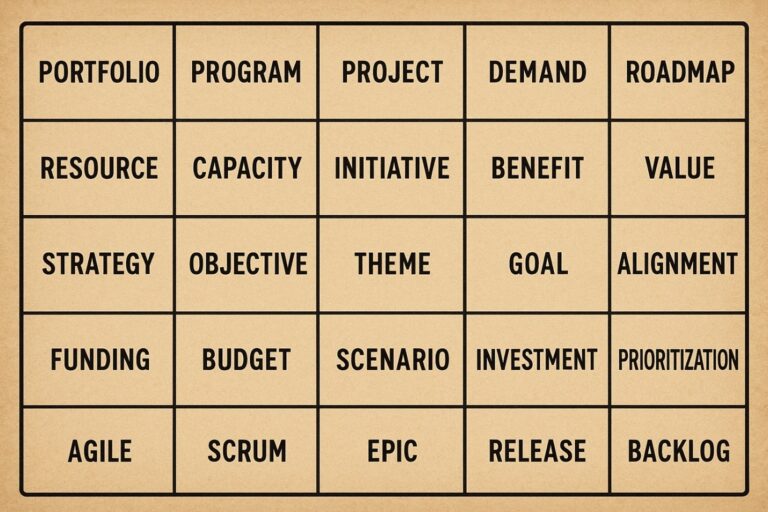
Clear Communication and Requirements
Every Agile team is structured a little differently depending on the organization and methodology. The roles described here reflect common patterns seen across teams, though your team’s setup may vary. What stays consistent are the core principles of communication and collaboration.
The Scrum Master is the game facilitator who ensures everyone understands the rules and helps the team work together effectively toward victory. In Agile, the Scrum Master facilitates scrum ceremonies, removes impediments, coaches the team on Agile practices, and fosters collaboration.
The Product Owner is like the spymaster who decides which words matter most. They set the vision, prioritize which clues to tackle, and ensure every move lines up with the bigger goal—winning the game. In Agile, the Product Owner owns the product backlog, defines priorities, and make tough trade-offs so the team focuses on the highest-value work. Their clue-setting shapes the entire direction of play.
The Business Analyst (BA), on the other hand, is like a teammate carefully decoding each clue. They dig deeper, analyze patterns, and break down complexity so the whole team is confident in their guesses. In Agile, the BA translates business needs into detailed user stories, clarifies requirements, and ensures the developers have the context to build the right solution. Their role is about precision, clarity, and making sure the team understands ‘why’ each clue-or requirement-matters.
Collaboration and Strategic Decision-Making
In Codenames, the spy team huddles together after hearing a clue. They weigh the options, debate possibilities, and decide if they have enough to make a confident guess-or if it’s more safe to wait. That’s the role of the Developer: taking the clues (user stories and acceptance criteria) and carefully working out the best technical approach. Developers evaluate whether the information is solid enough to move forward or if they need more clarity before committing a move.
The Tester, meanwhile, acts as the sharp-eyed teammate who double checks every interpretation. Even if the guess feels right, they challenge assumptions, ask “what if,” and look for hidden pitfalls. Testers validate the story against the acceptance criteria, ensuring the solution truly matches the intended clue. Their collaboration with developers keeps the team from veering off course and protects against wasted turns-or wasted sprints.
Avoiding Missteps
A wrong guess doesn’t just stall progress; it can hand points to other teams or at worst cost the team the win. The same thing happens in Agile. When the Product Owner sets unclear priorities, the Business Analyst writes vague stories, or the Development Team misinterprets requirements, the result is wasted effort, rework, or features that miss the mark. Each misstep slows delivery and reduces value. When each role communicates clearly and stays aligned, the team keeps up the momentum toward delivering real customer value.
Adapting to Change
A single word can spark multiple interpretations, forcing the spy teams to rethink their approach in the moment. Agile teams face the same challenge: priorities shift, requirements evolve, and blockers appear unexpectedly. The teams that succeed are the those that can adapt quickly, adjust their strategy, and keep moving forward together.
What makes Codenames one of my favorite games is how it highlights an understanding of perspectives. One word can mean something entirely different to each player. The same is true in Agile. Every role sees work through a different lens. The key is embracing those perspectives, communicating openly, and staying flexible when plans change. This is why being on a Codenames Spy team has the necessary skills to be an effective Agile Team.